

Grand-Hornu
History
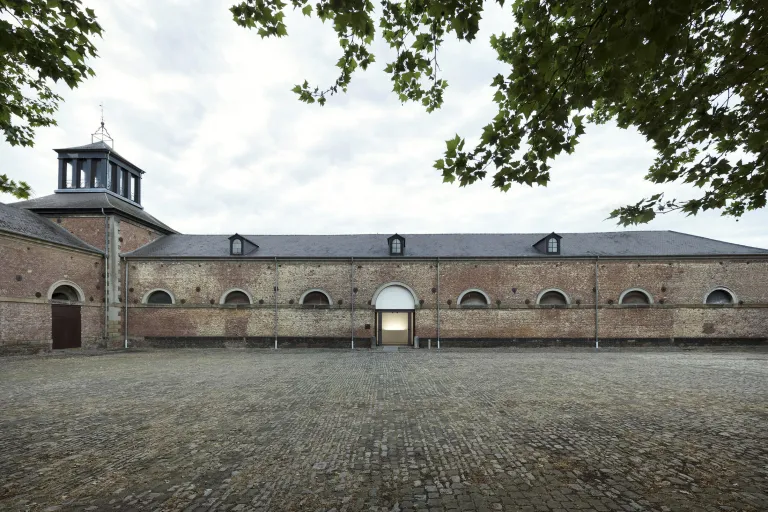
Located in the heart of the Province of Hainaut, just a few kilometers from the cities of Mons and Valenciennes, Le Grand-Hornu is one of the most beautiful sites of the Industrial Revolution.
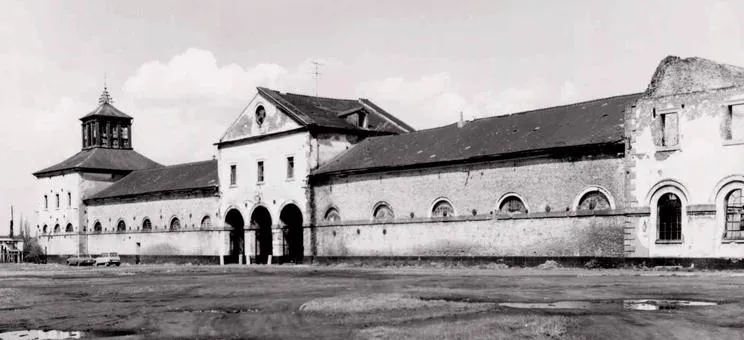
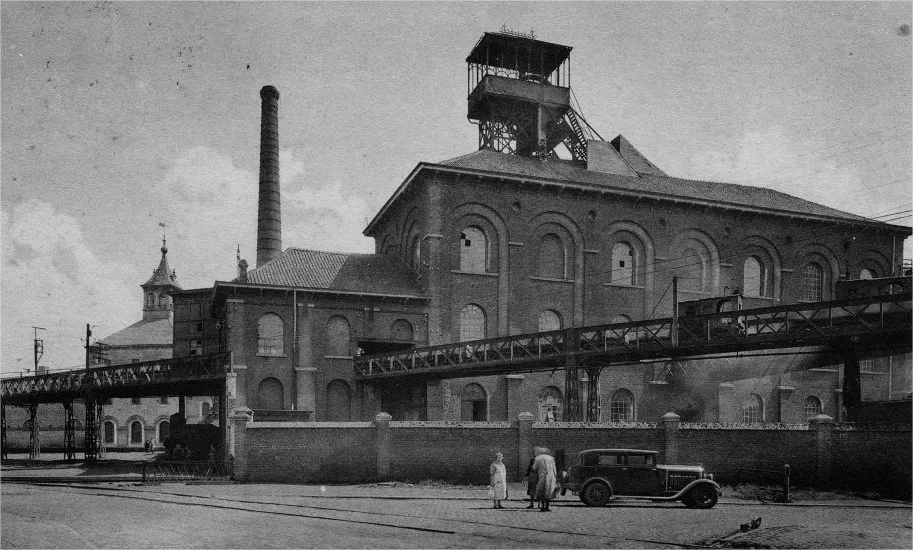
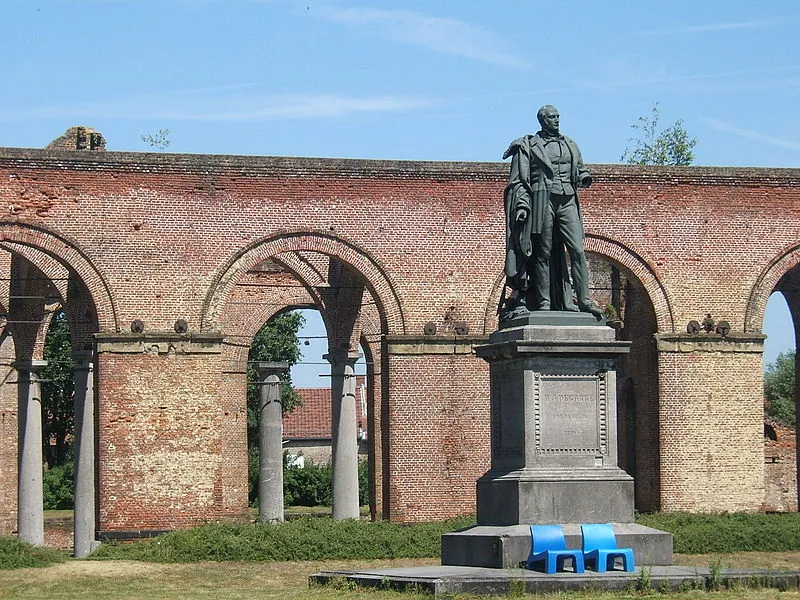
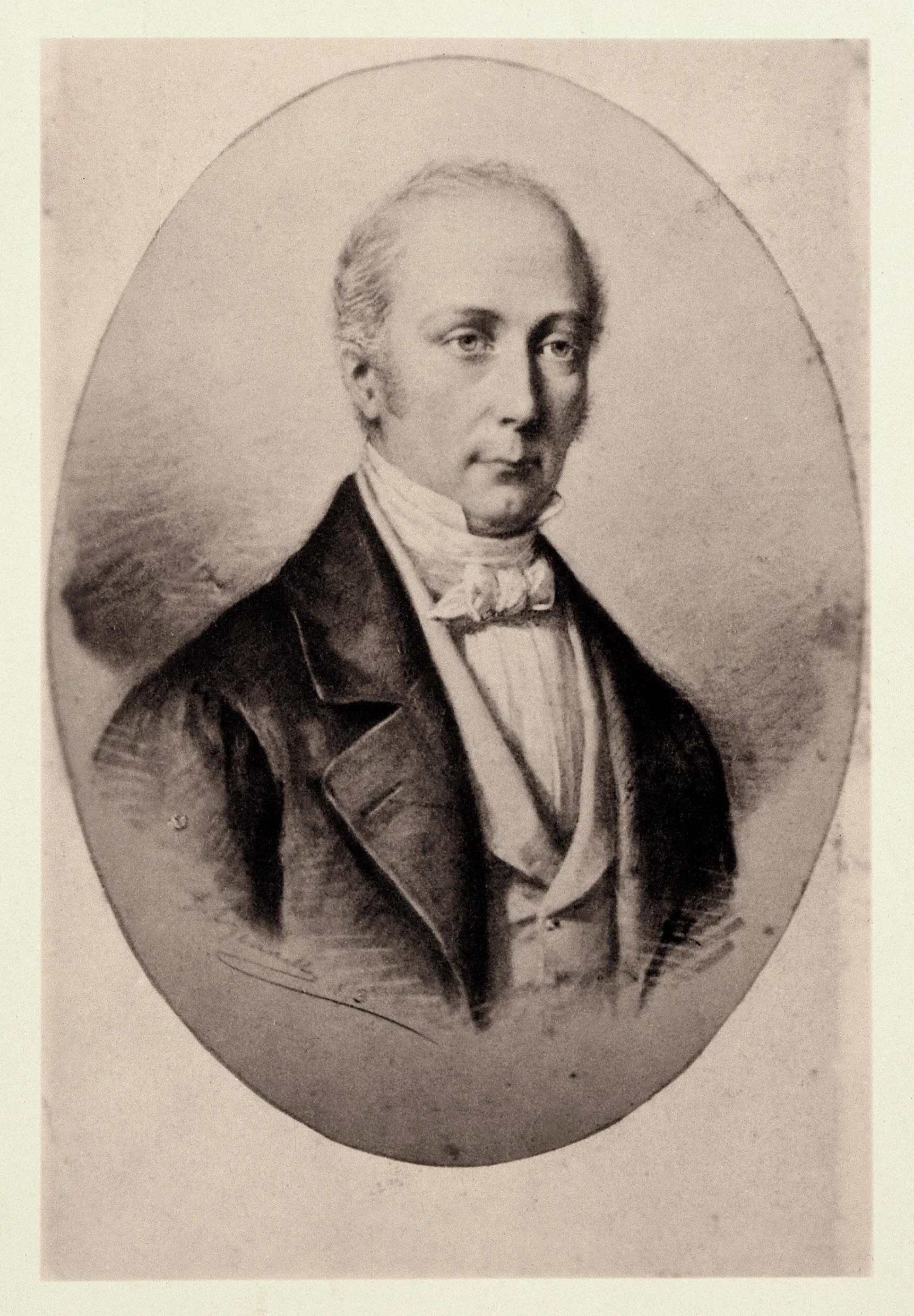
A former mining complex built between 1810 and 1830 by Henri De Gorge, a French-born industrial magnate, Grand-Hornu is a true urban development project and a unique example of functional urban planning on the European continent at the dawn of the Industrial Revolution.
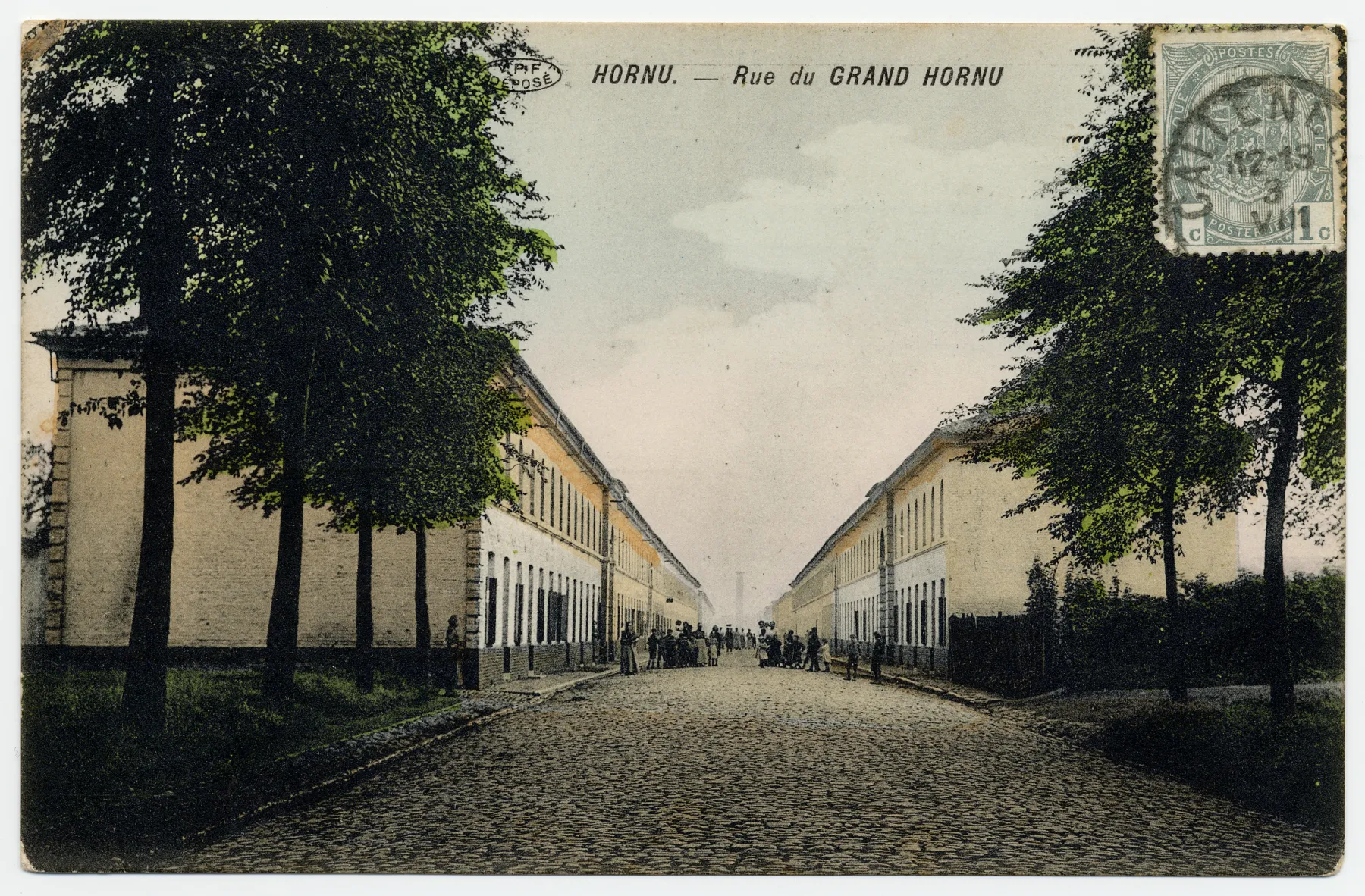
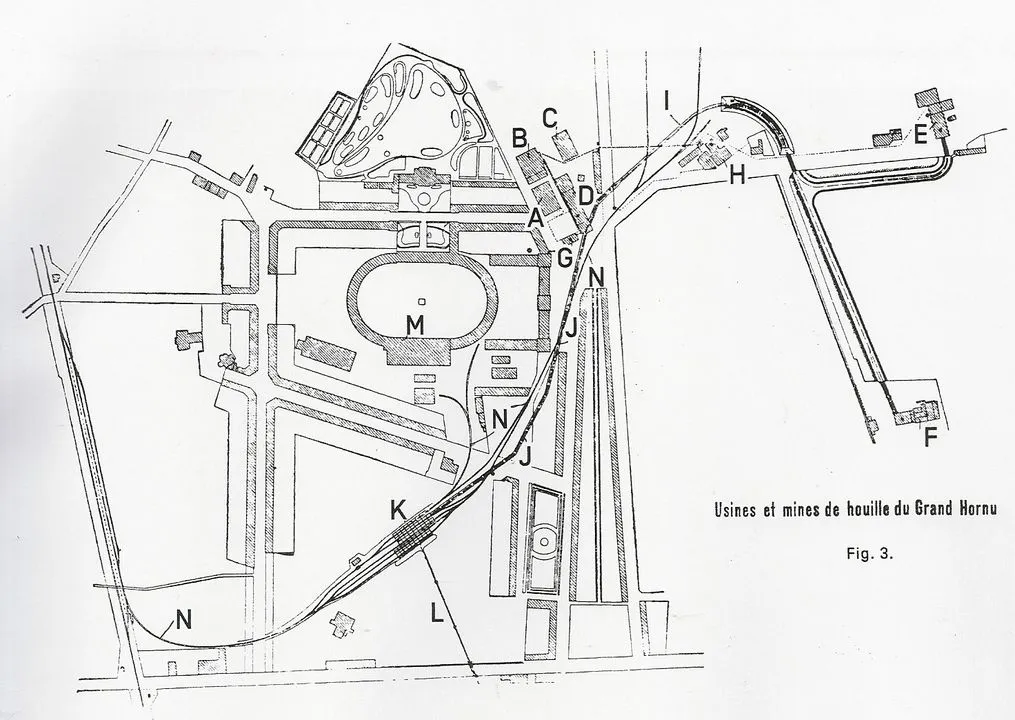
Built in the neoclassical style, it comprises the coal mine’s workshops and offices, a workers’ village of some 450 houses—exceptionally comfortable for the time, each with a private garden—and the administrators’ residence, known as Château De Gorge.
The workers’ housing complex also features a school, a hospital, public squares, a library, a dance hall, and more.
To bring his ambitious dream to life, Henri De Gorge enlisted the help of the Tournai-based architect Bruno Renard. For the construction of the entire complex, he drew on the principles of communal living advocated by certain theorists and utopians of the time.
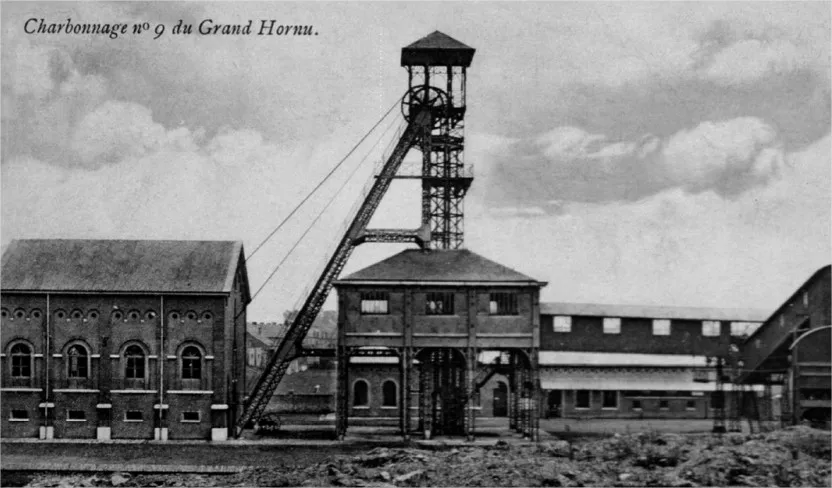
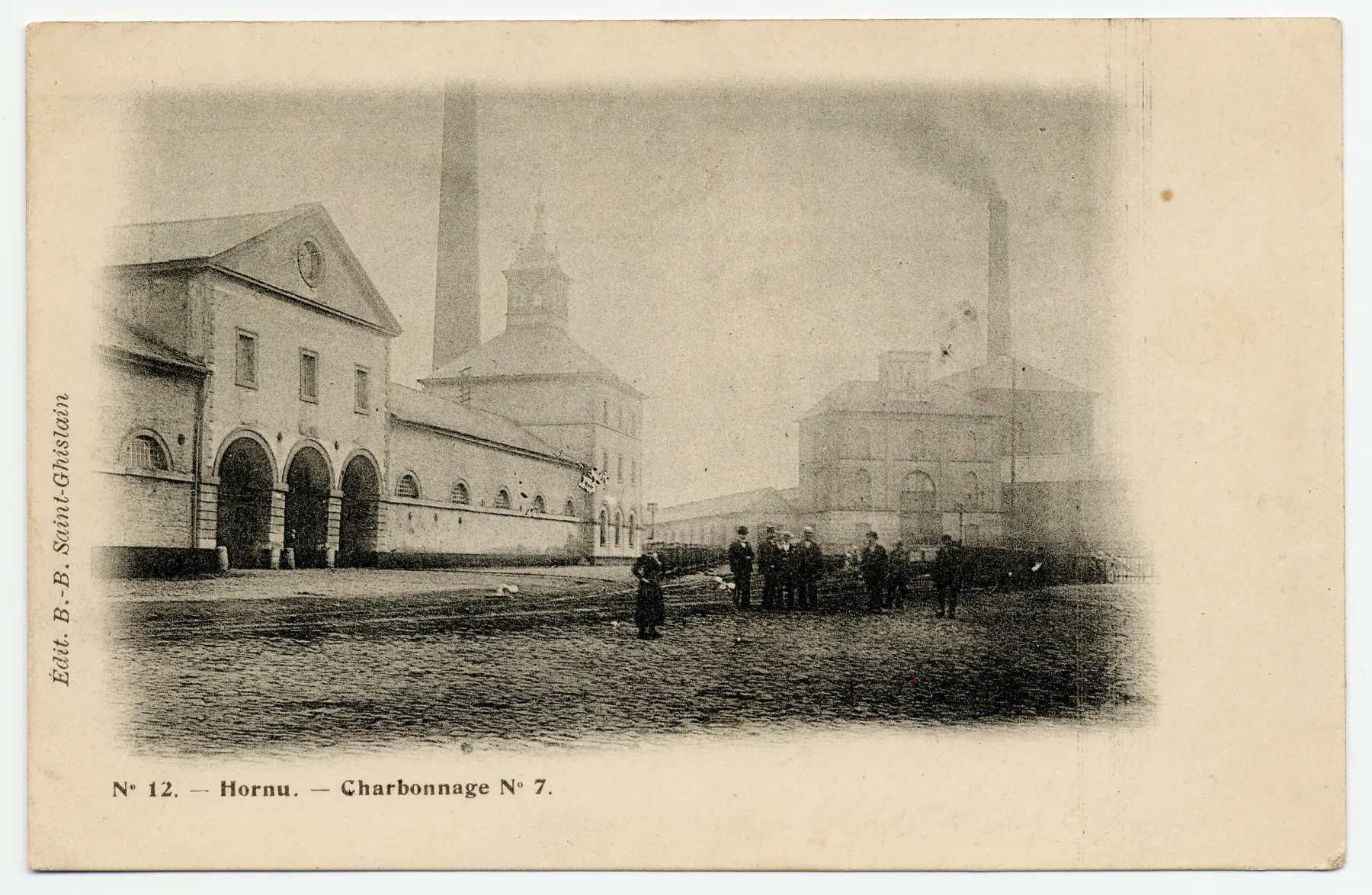
Having become a symbol of the coal industry throughout the Belgian and French regions of Hainaut, Grand-Hornu was also a remarkable technological laboratory. Henri De Gorge employed new mining techniques and new steam engines. Furthermore, in 1830, he pioneered the installation of the country’s first horse-drawn railway to support the company’s economic development.
The Grand-Hornu coal mine continued to work toward winning the “Battle for Coal,” but slowed its pace beginning in 1951, the year the ECSC (European Coal and Steel Community) Treaty was signed, which streamlined production among coal-producing countries.
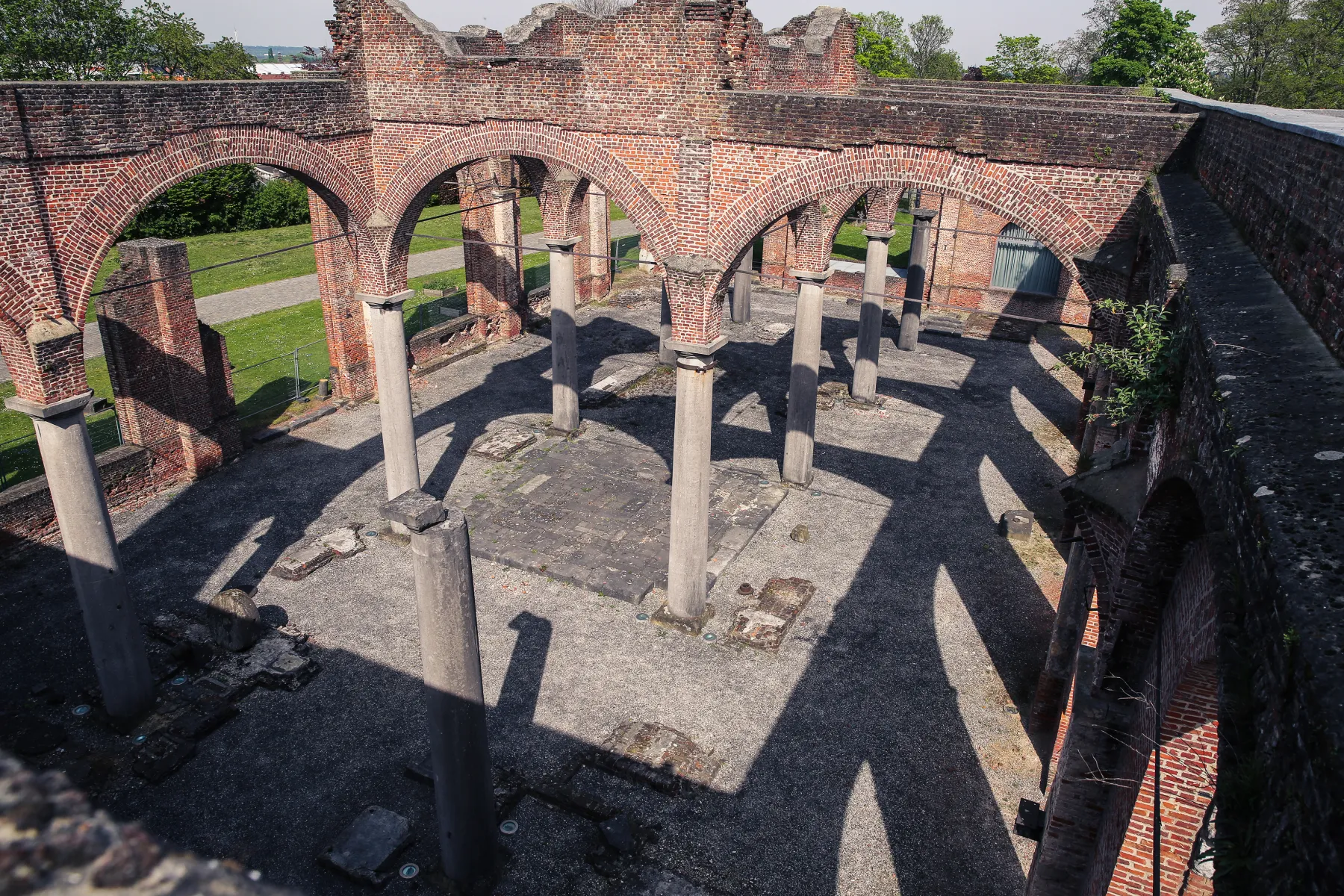
The Grand-Hornu remained in operation until 1954. Industrial operations ceased, and the site was abandoned. By the late 1960s, when a handful of heritage enthusiasts fought to save the site from planned demolition, it was merely a shadow of its former self, ravaged by time and vandalism. Furthermore, in 1969, it was the subject of a Royal Decree ordering its complete demolition.
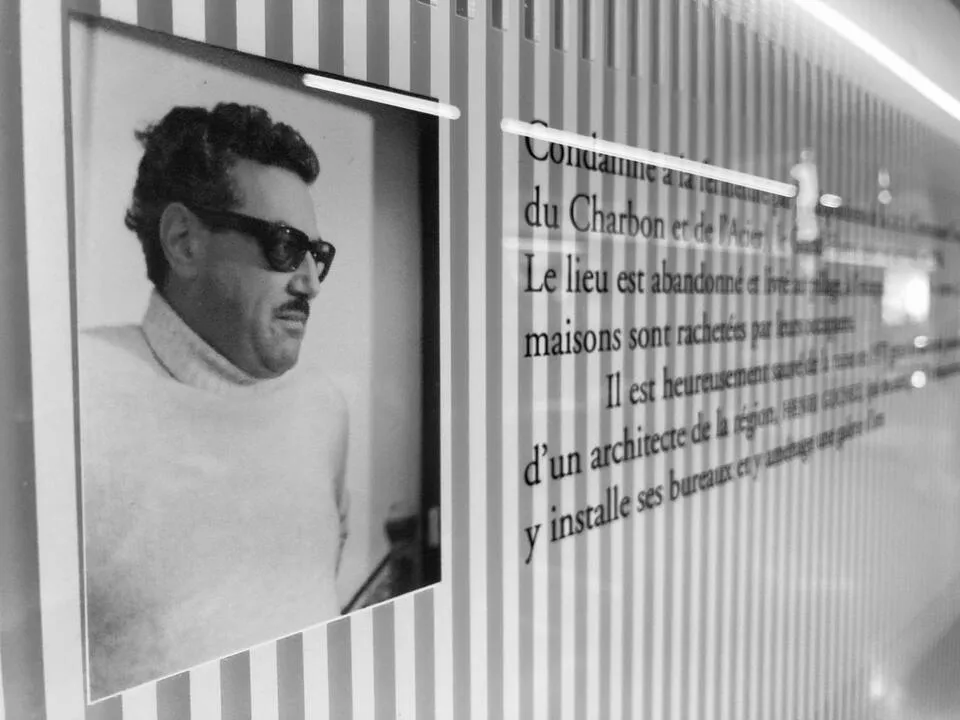
In 1971, architect Henri Guchez secured its permanent preservation by purchasing it. He began an initial phase of renovation and set up his offices there. In 1989, the Province of Hainaut began the second phase of renovation work when it purchased the site at the initiative of Claude Durieux, then Permanent Deputy.
As early as 1984, the provincial nonprofit Grand-Hornu Images had established its offices there and has since continued to pursue its threefold mission: heritage preservation, tourism, and culture. It has secured a prominent place for the Grand-Hornu among major international heritage organizations and has developed a cultural program on the site to breathe new life into it and help the public rediscover it in a new light.
The exhibitions presented by the association explore the relationship between art and industry; design, industrial design, and the applied arts play a prominent role, closely reflecting the spirit of the venue and resonating with the region’s history.
On December 1, 2014, Grand-Hornu Images became the CID—the Center for Innovation and Design at Grand-Hornu. Its mission is to promote contemporary design through a program of exhibitions and outreach activities that highlight innovation, experimental research, and the emergence of new themes and research horizons in the fields of design, architecture, and the applied arts.
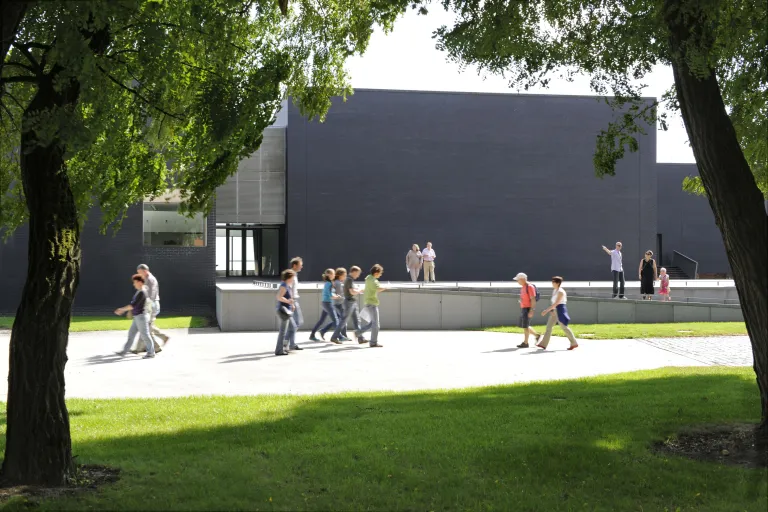
Furthermore, in the early 1990s, the French Community decided to establish its future Museum of Contemporary Arts in Hornu, thereby marking the completion of the Grand-Hornu renovation. In 2002, the Museum of Contemporary Arts (MACS) opened its doors, presenting the state of international contemporary creation in all its aspects to the widest possible audience.
Once one of the jewels of Belgian industry, the Grand-Hornu site is now one of Belgium’s leading cultural venues dedicated to contemporary art. It has been given a new lease on life and welcomes a large international audience every year.
Timeline
1774
Birth of Henri De Gorge
1778
Creusement de la première fosse d’extraction du charbonnage du Grand-Hornu par Charles Godonnesche (premier exploitant des mines du Grand-Hornu)
1810
Rachat des mines du Grand-Hornu par Henri De Gorge à la veuve Godonnesche
1816
Début des travaux de contruction de la cité ouvrière
1830
- Printemps : Installation du chemin de fer hippomobile au Grand-Hornu
- 10 octobre : Révolte des charretiers (Pillage De Gorge) suite à l'installation du chemin de fer
1832
Décès d'Henri De Gorge
1843
Constitution de la société civile des Usines et Mines de Houille du Grand-Hornu
1950
Dissolution de la société appartenant à la famille De Gorge - Legrand et absorption par Société anonyme des charbonnages de Hainaut
1954
Fermeture du charbonnage du Grand-Hornu
1969
Arrêté royal de démolition
1971
Rachat du site par l'architecte Henri Guchez et première phase de restauration du site
1984
Création de l'ASBL Grand-Hornu Images

1989
Acquisition du Grand-Hornu par la Province de Hainaut et deuxième phase de restauration
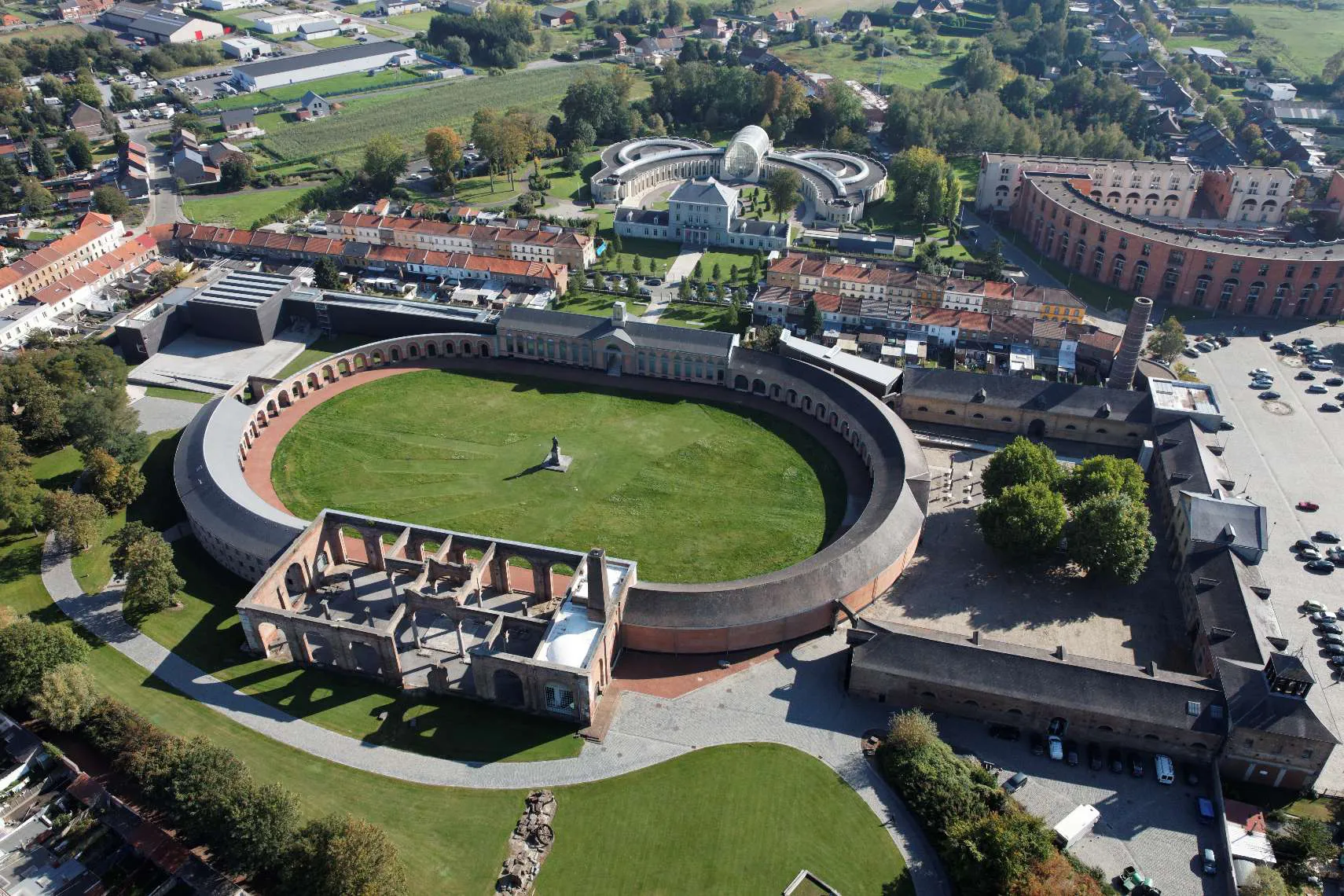
1993
Le Grand-Hornu est classé au Patrimoine wallon
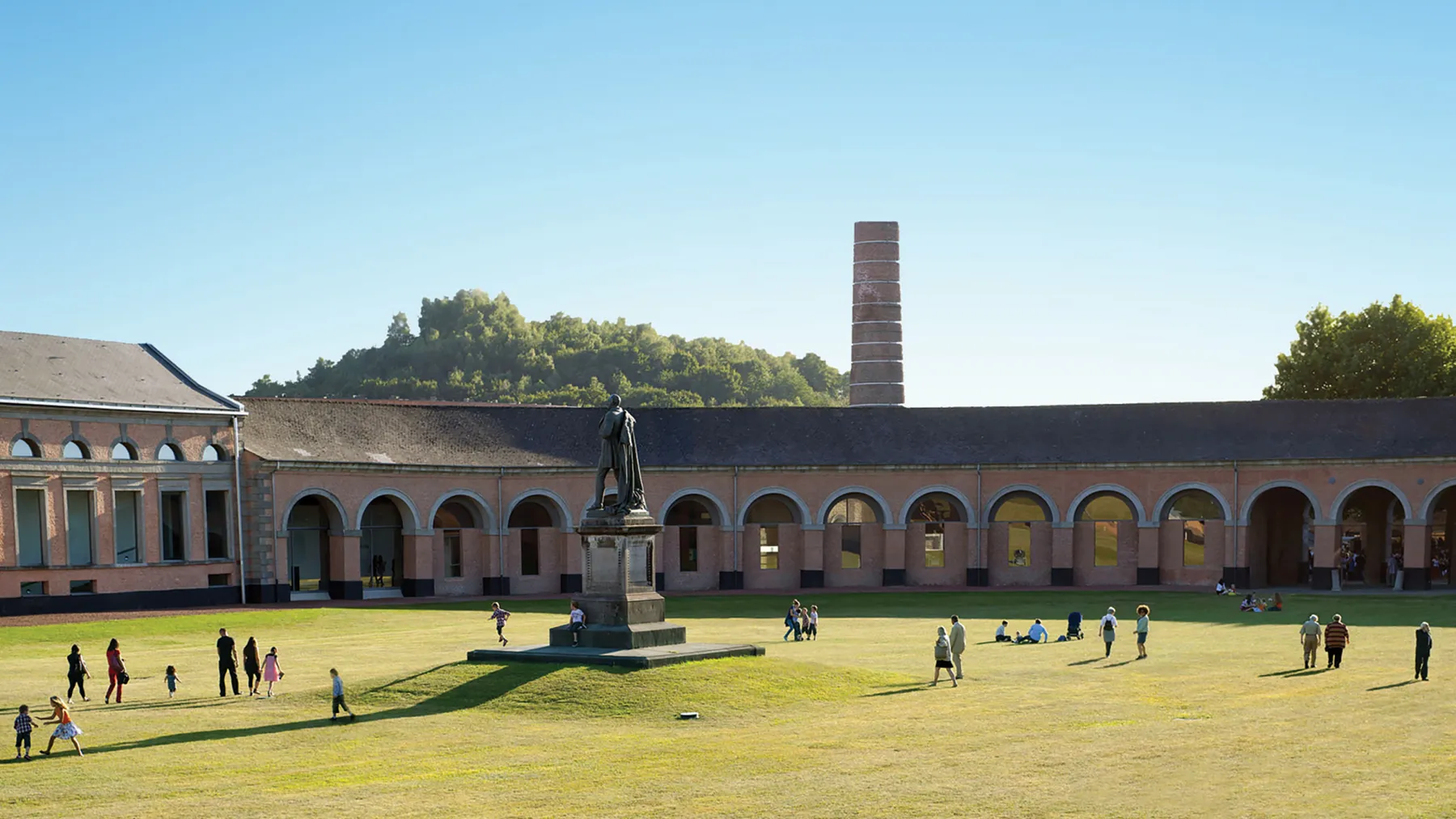
2002
Ouverture du MACS
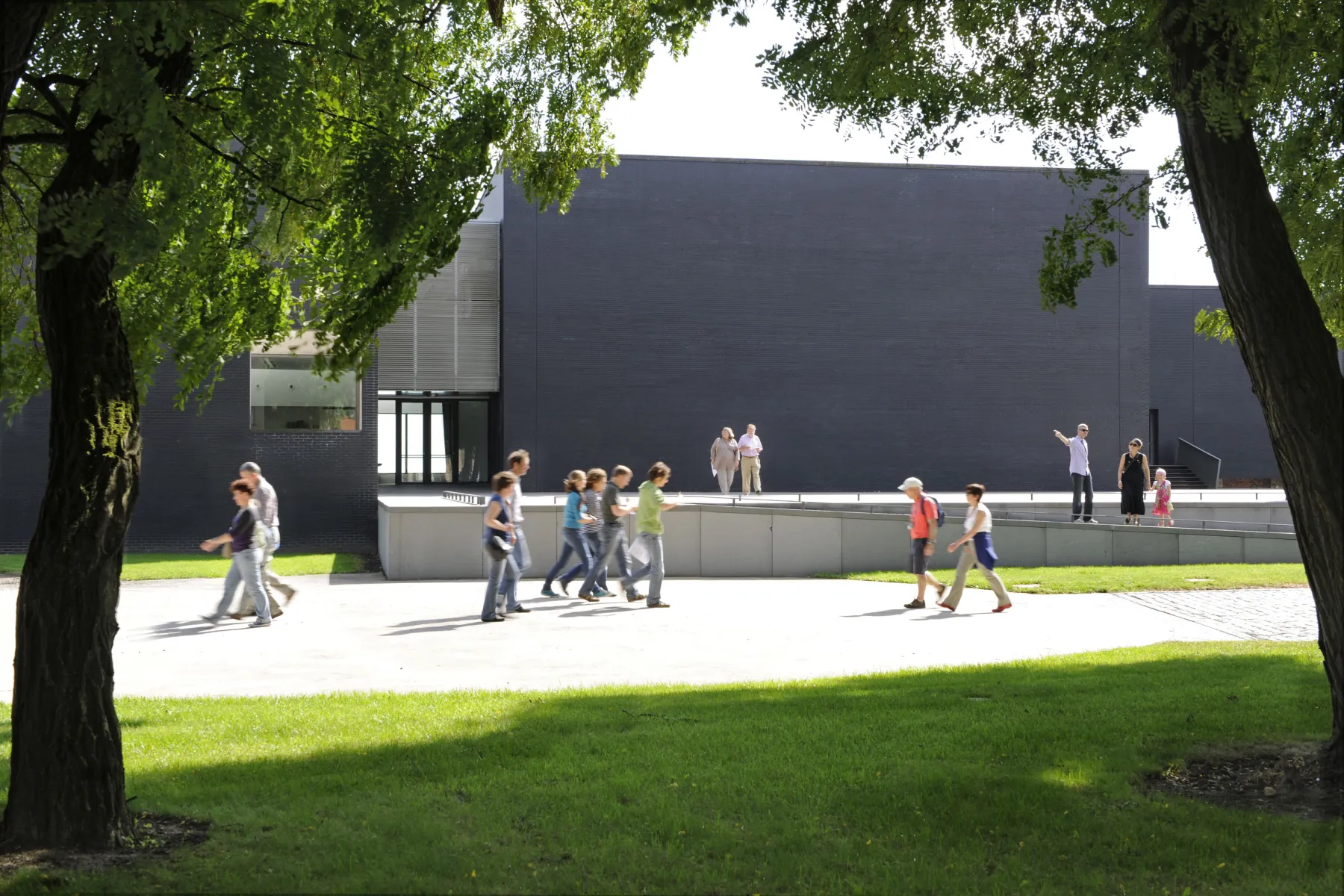
2012
Le 1er juillet, les quatre sites miniers majeurs de Wallonie sont inscrits sur la Liste du Patrimoine mondial de l'UNESCO
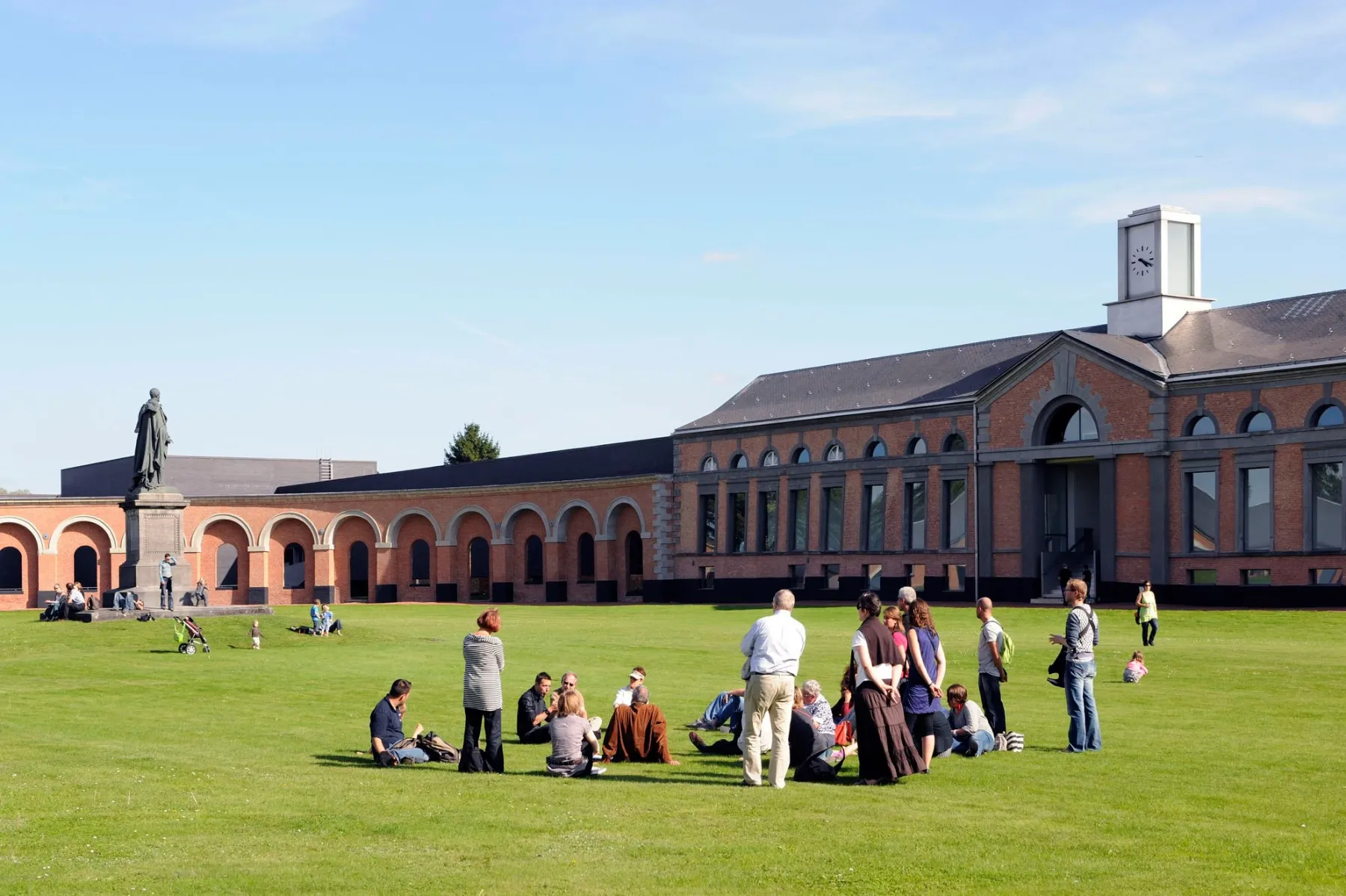
2014
L'ASBL Grand-Hornu Images devient le CID - centre d'innovation et de design

UNESCO
Since July 1, 2012, Grand-Hornu has been recognized, along with the three other major mining sites in Wallonia—Bois-du-Luc, Bois du Cazier, and Blegny-Mine—as a UNESCO World Heritage Site. These four sites represent the best-preserved examples of coal mining in Belgium, dating from the early 19th century to the second half of the 20th century.
The Walloon coalfield is one of the oldest and most iconic of the Industrial Revolution on the European continent. The four properties include numerous technical and industrial remains, ranging from both surface and underground coal mining operations to the industrial architecture associated with the mines, workers’ housing, the urban planning of mining towns, and the social and human values of their history—in particular, the memory of the Bois du Cazier disaster (1956).
Other sites :
| Béguinages flamands |
| La Grand-Place de Bruxelles |
| Les quatre ascenseurs du canal du Centre et leur site, La Louvière et Le Rœulx |
| Beffrois de Belgique et de France |
| Cathédrale Notre-Dame de Tournai |
| Habitations majeures de l'architecte Victor Horta, Bruxelles et Saint-Gilles |
| Le centre historique de Bruges |
| Minières néolithiques de silex de Spiennes, Mons |
| Complexe Maison-Ateliers-Musée Plantin-Moretus, Anvers |
| Palais Stoclet, Woluwe-Saint-Pierre |
| Sites miniers majeurs de Wallonie |
| Maison Guiette de Le Corbusier à Anvers |
| Colonies de bienfaisance à Anvers |
For more information, see the Wikipedia page on World Heritage Sites in Belgium.
CID – centre d’innovation et de design
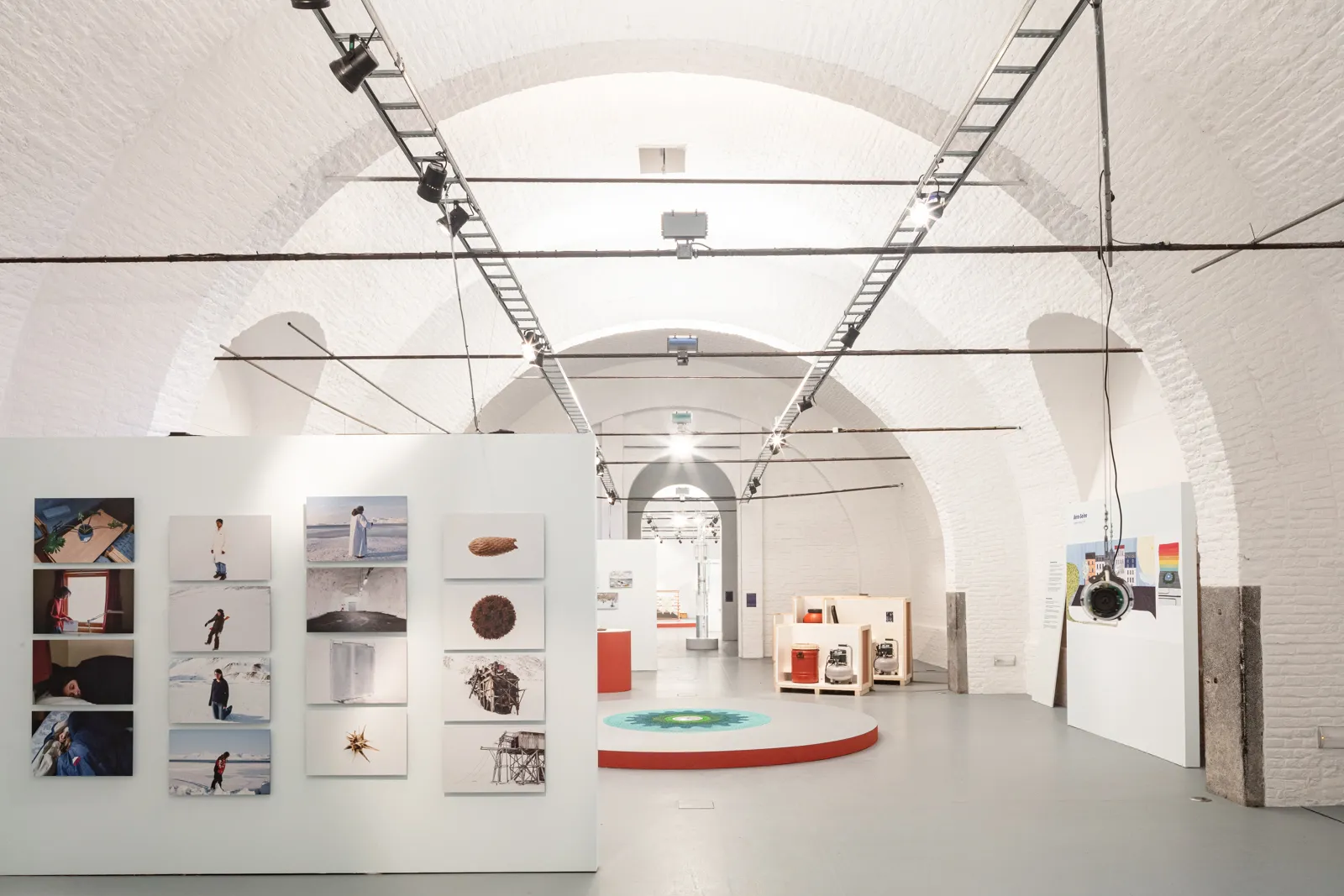
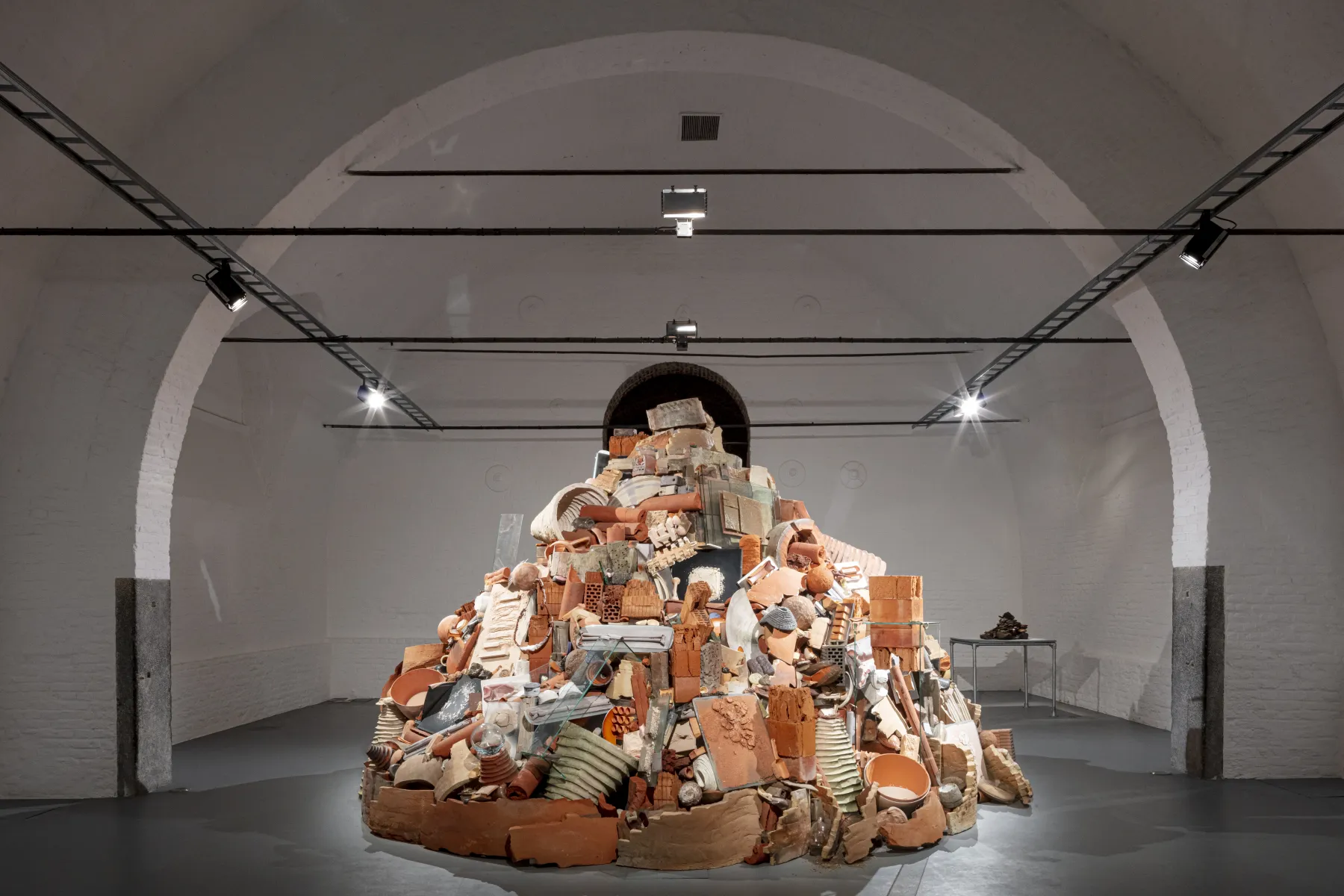
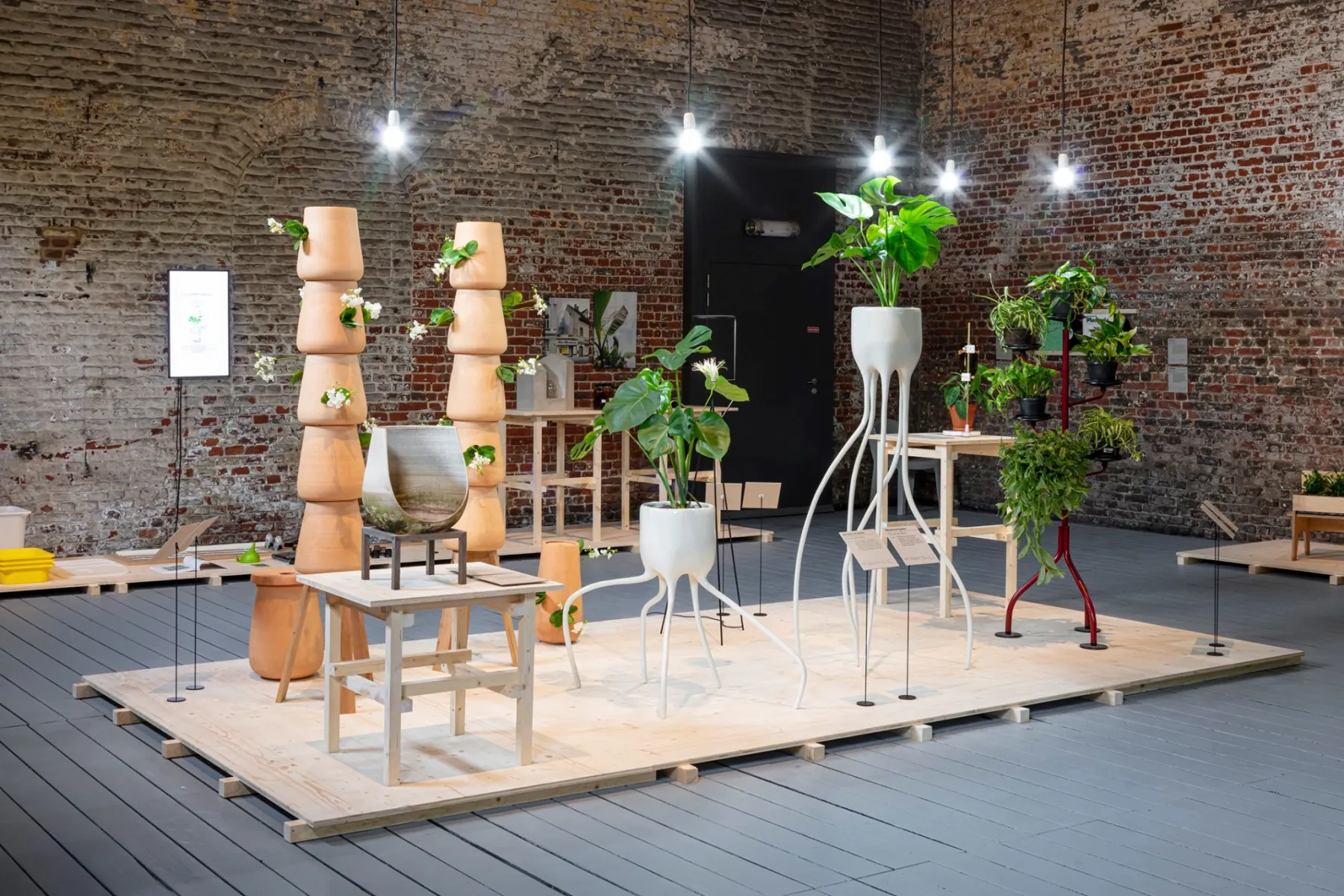
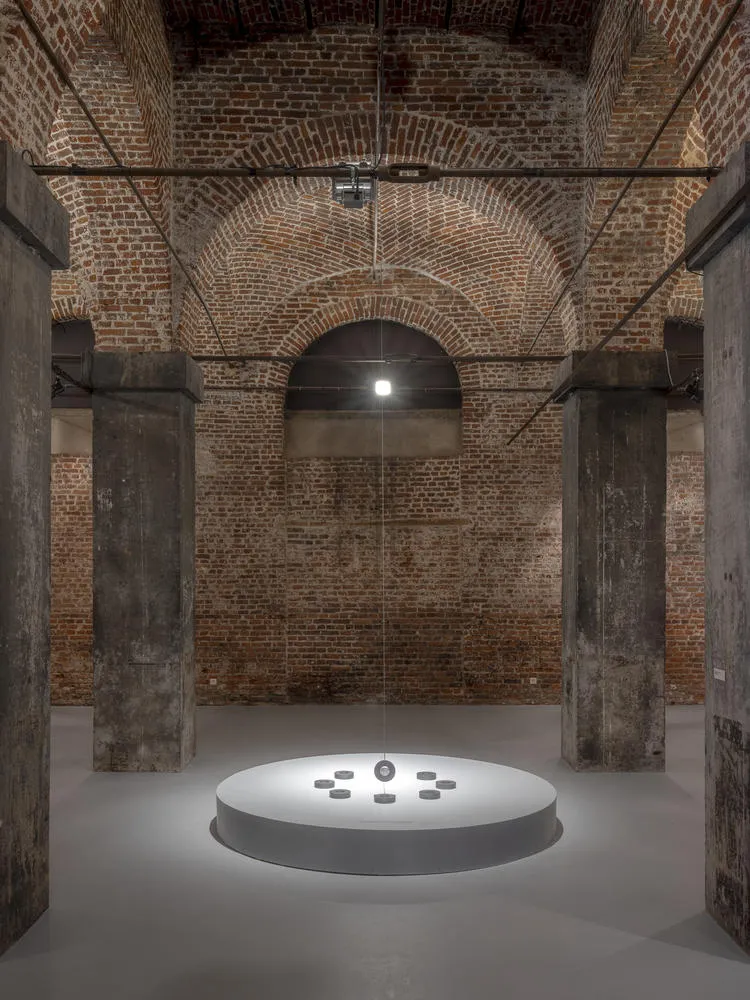
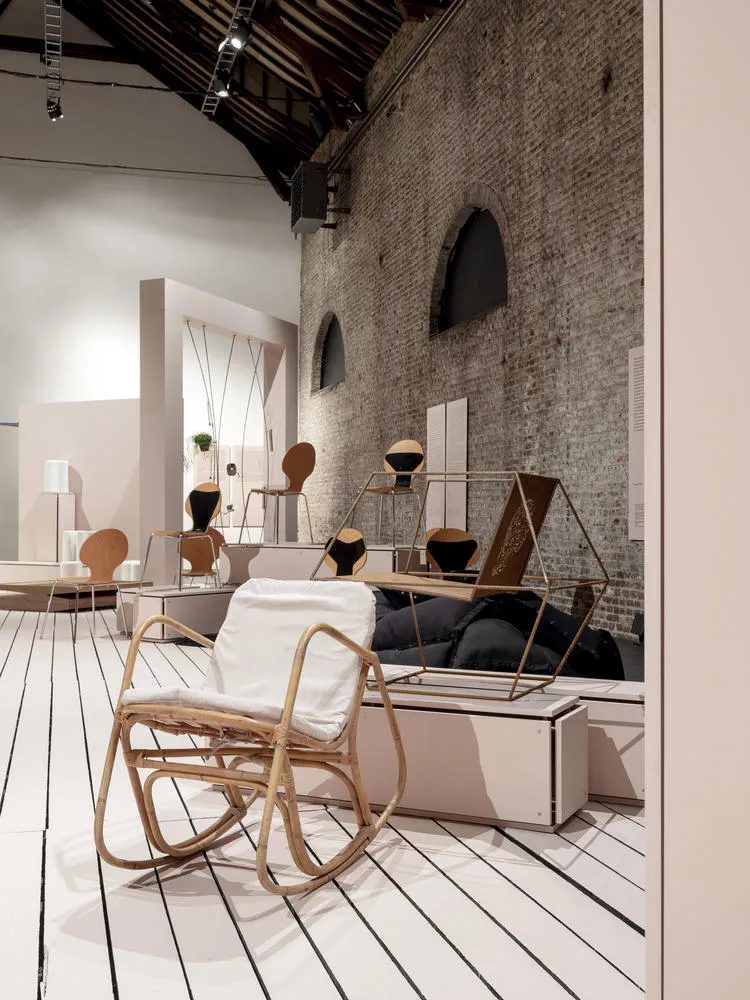
The CID—Center for Innovation and Design at Grand-Hornu—aims to promote contemporary design through a program of exhibitions and outreach activities that highlight innovation, experimental research, and the emergence of new themes and research horizons in the fields of design, architecture, and graphic design. The diversity of current creative output reflects the profound changes taking place in 21st-century society and the environment. The CID explores these phenomena through thematic and monographic exhibitions.
CID


MACS – Musée des Arts Contemporains
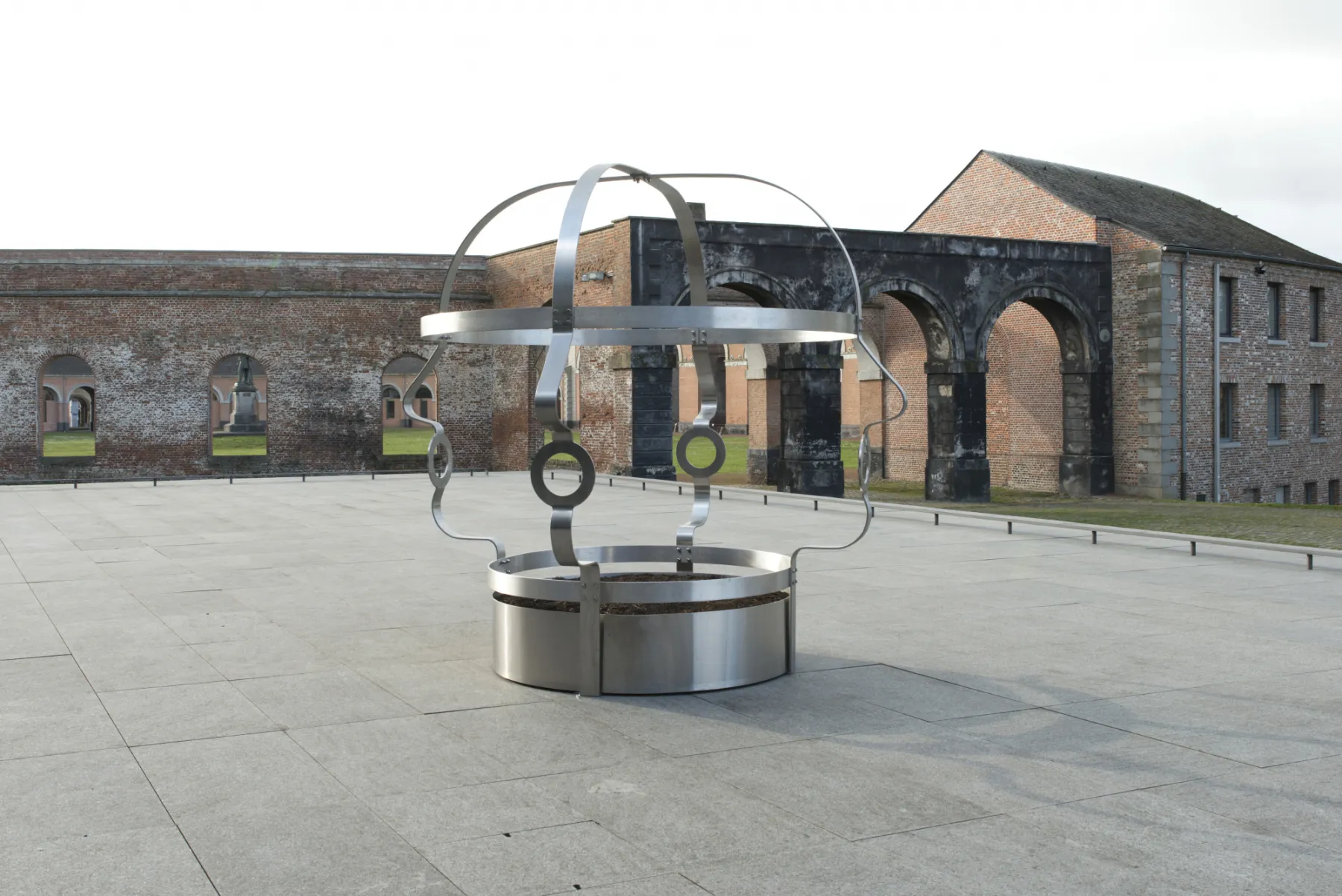
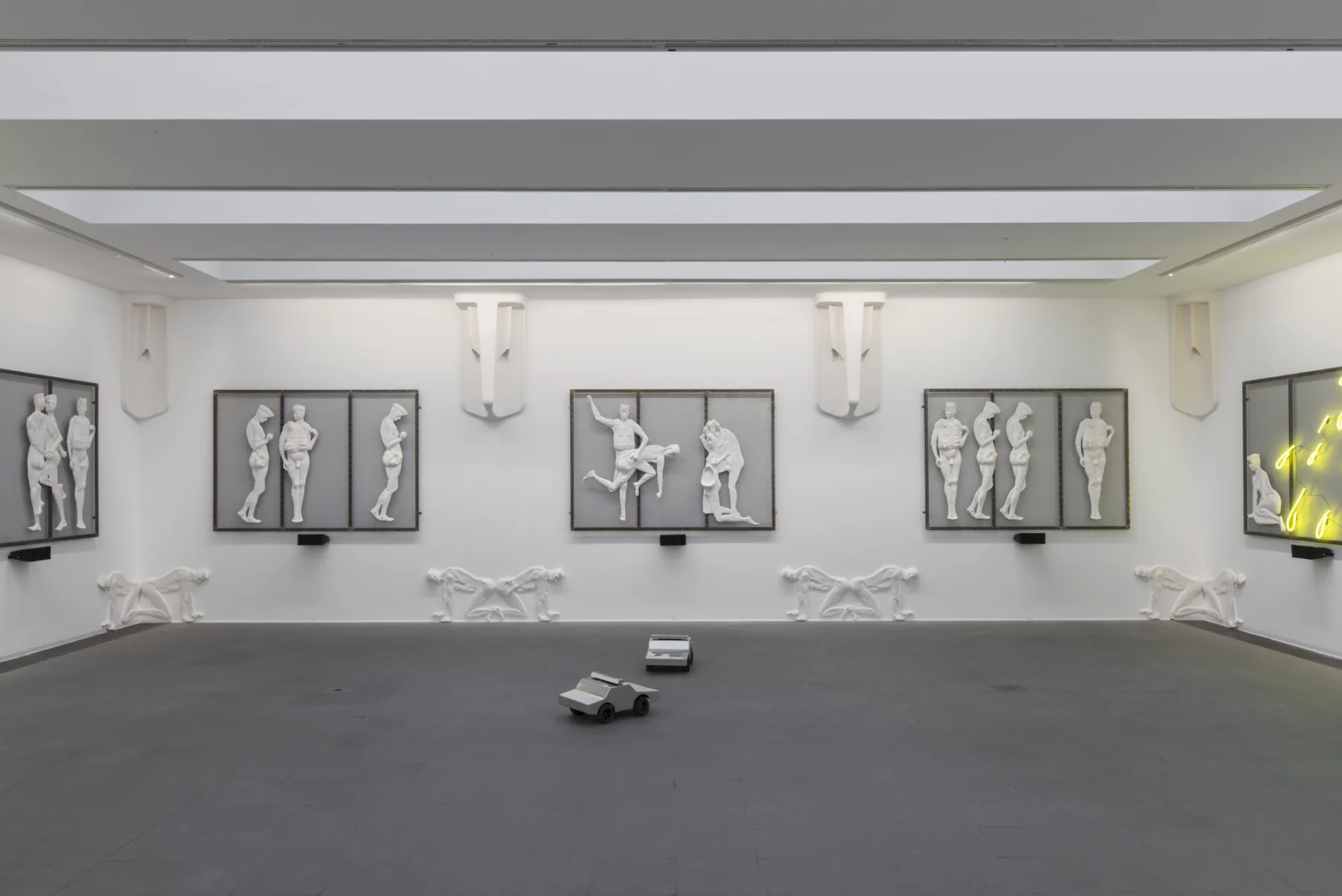
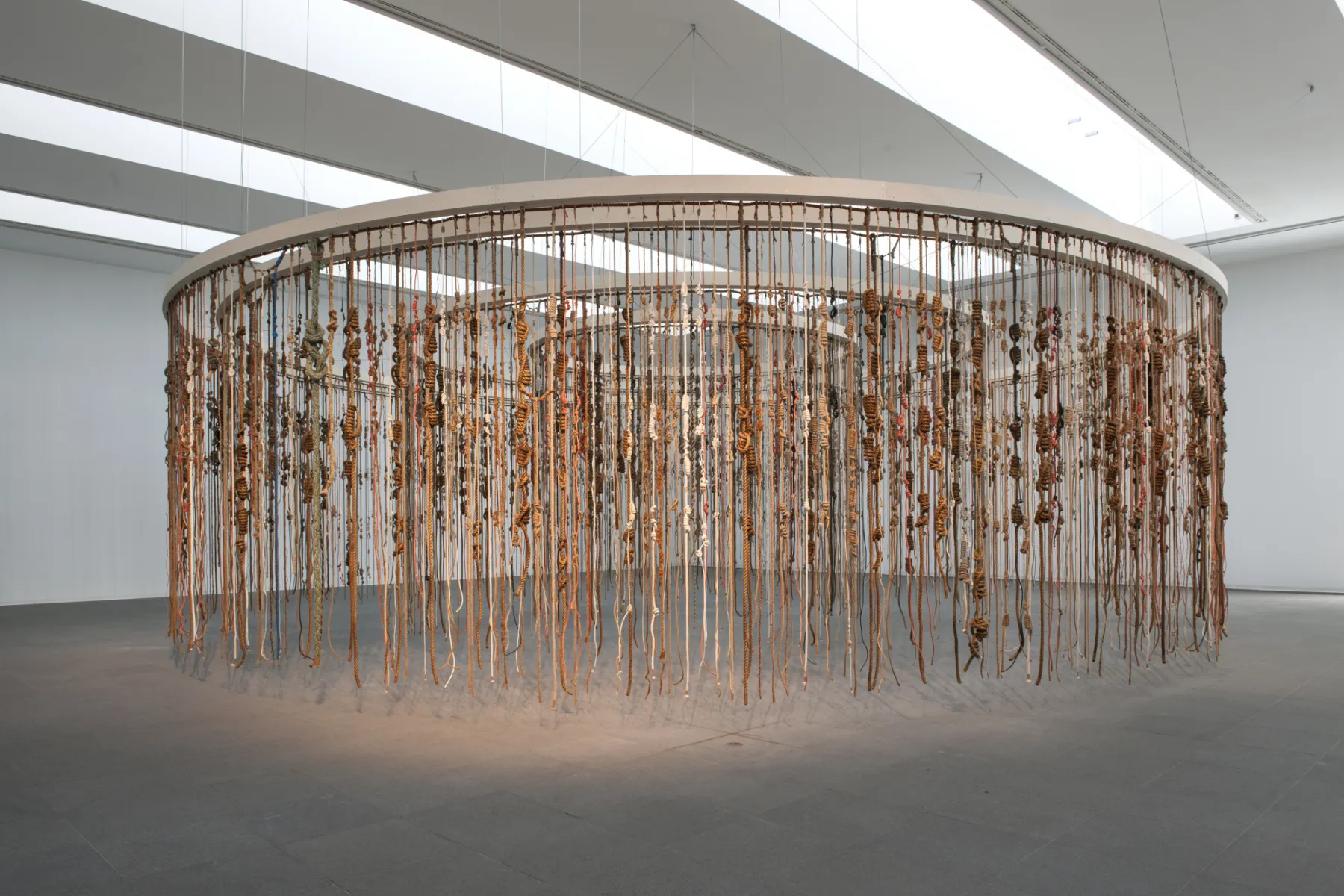
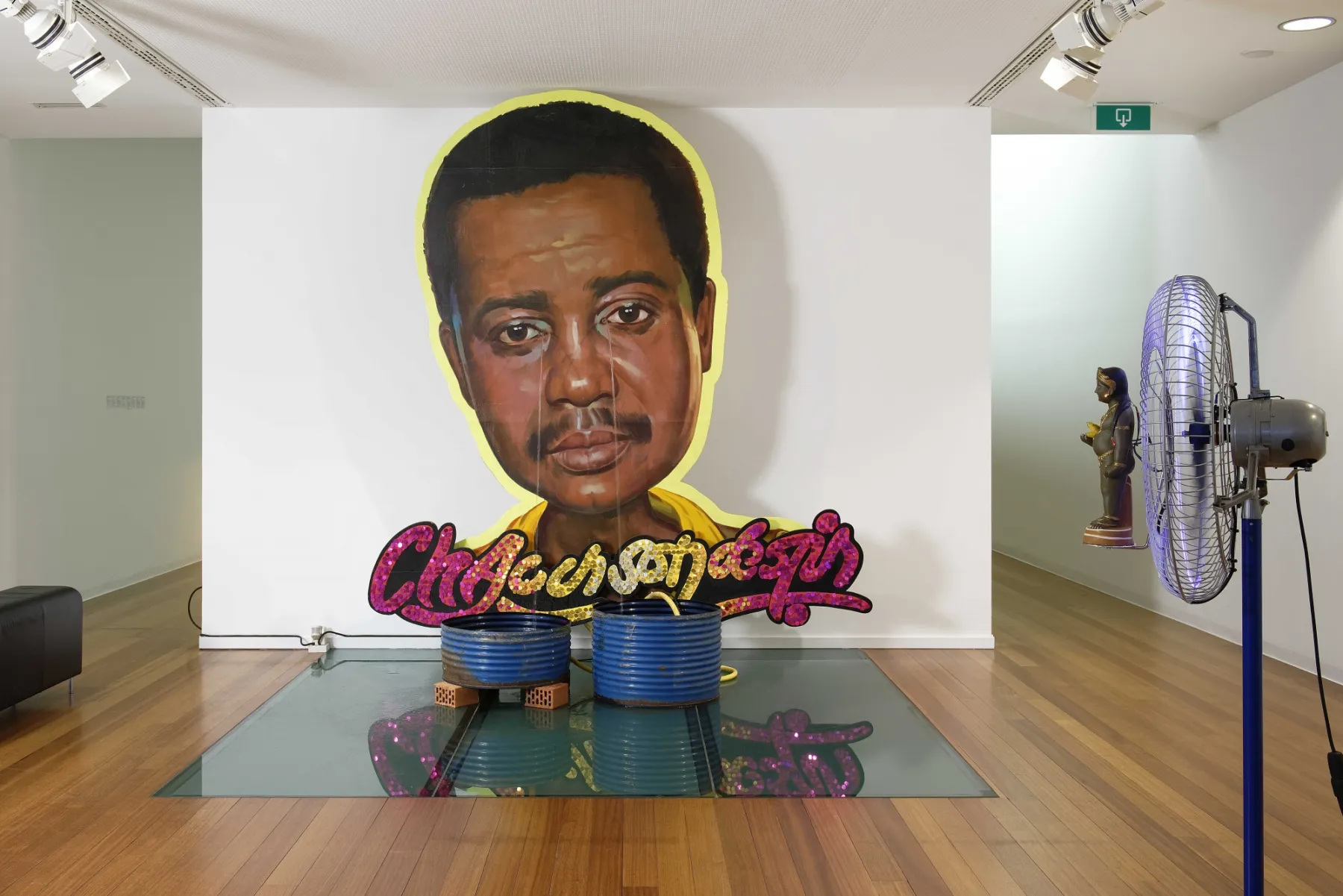
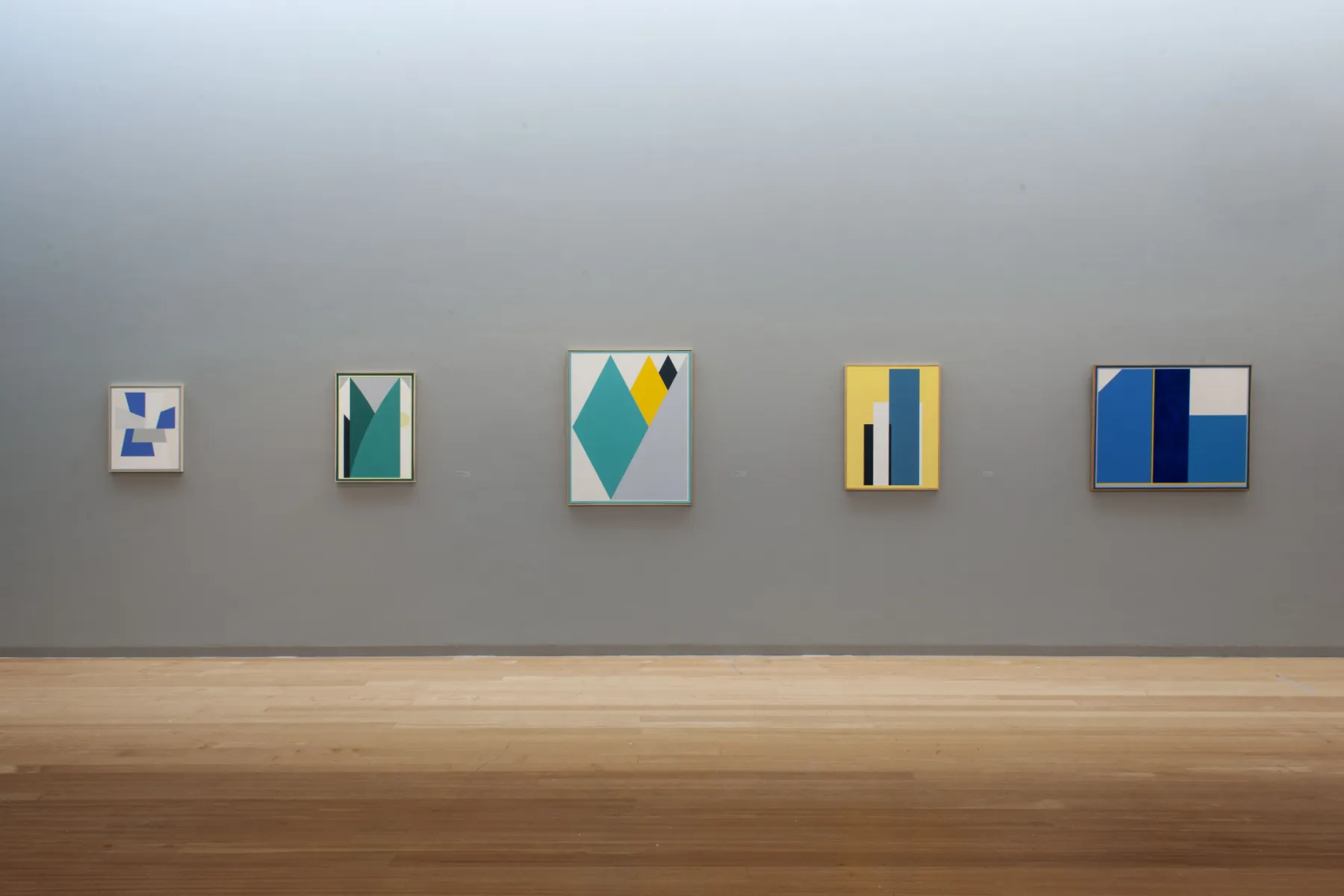
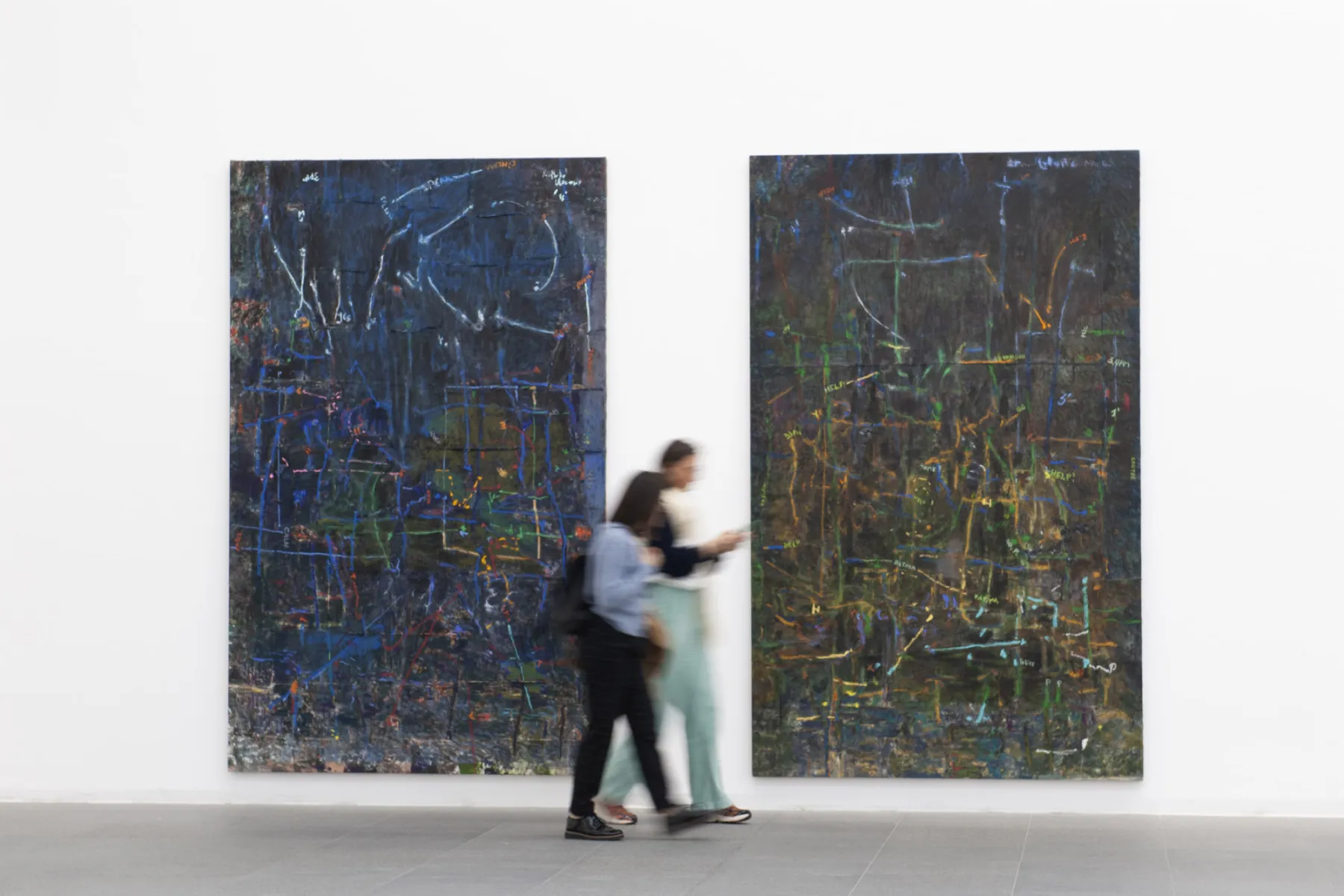
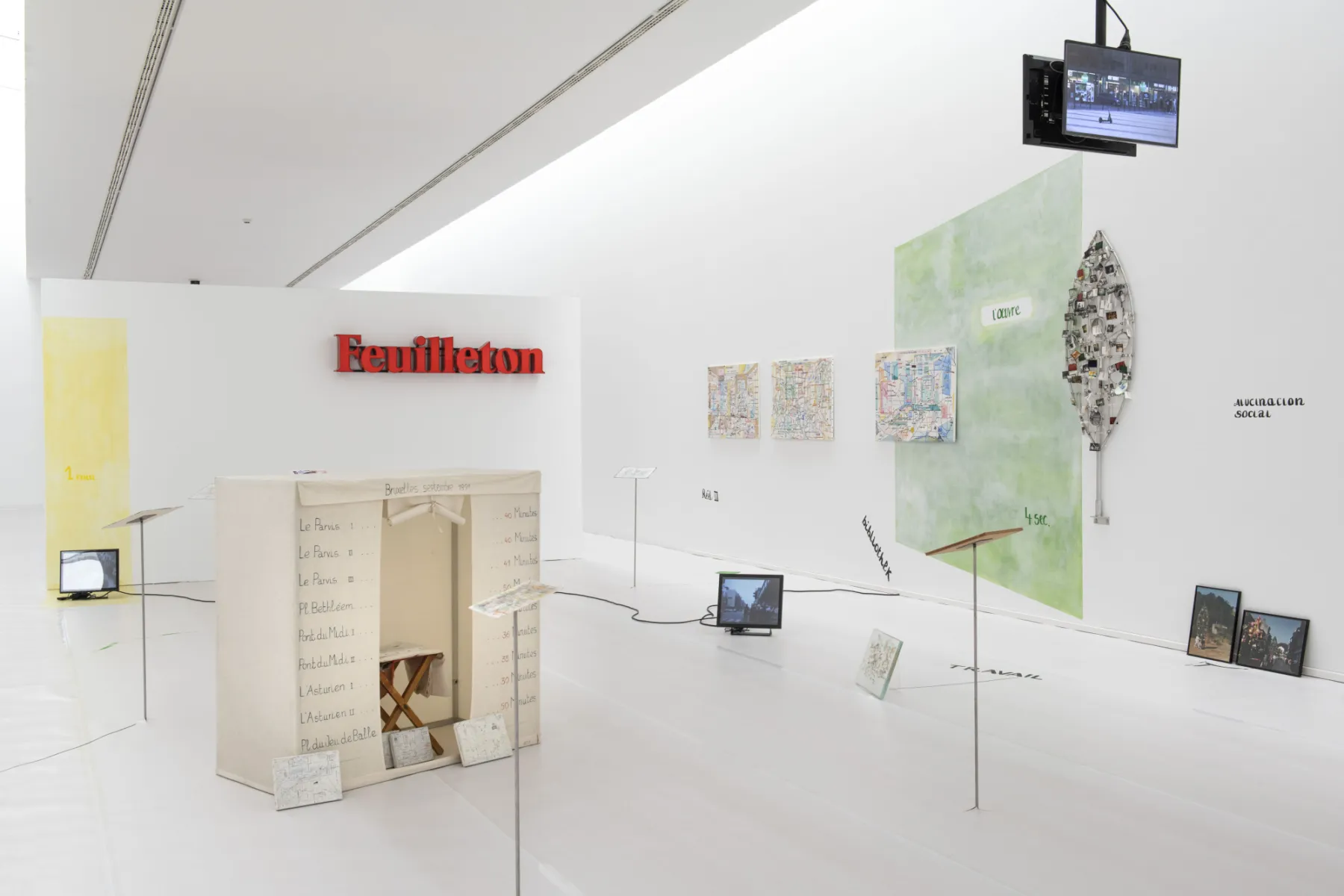
The Museum of Contemporary Arts of the Wallonia-Brussels Federation (MACS) opened its doors in 2002. Together with the Center for Innovation and Design (CID), it is one of the cultural hubs focused on the multidisciplinary nature of the arts.
In addition to building a rich collection of more than 450 works, the museum develops an extensive program of international exhibitions, ranging from solo shows to thematic exhibitions. The MACS also organizes ambitious artist residencies that result in the creation of specific works related to a key theme in its programming: memory. For example, in 2017, American artist LaToya Ruby Frazier conducted an extensive photographic investigation into the history of the miners of Grand-Hornu. In 2019, Dutch artist Fiona Tan explored the archives of the utopian thinker Paul Otlet, preserved at the Mundaneum.
MACS
Rizom
RIZOM, a restaurant and cafeteria located in the heart of Grand-Hornu, offers cuisine that blends different cultures.
The Walloon region was shaped by various waves of migration; it boasts a rich local culinary heritage while also serving as a cradle of modern and technological innovation. RIZOM’s cuisine draws inspiration from these contrasts, embodying the concept of a contemporary regional identity. RIZOM serves dishes with diverse roots, prepared using fresh, local, and seasonal ingredients sourced from the market.
Rizom


